

Cold and flu medication should not be taken indiscriminately, so this issue
will teach you how to keep your medication at home. Common medicines normally
found at home include.
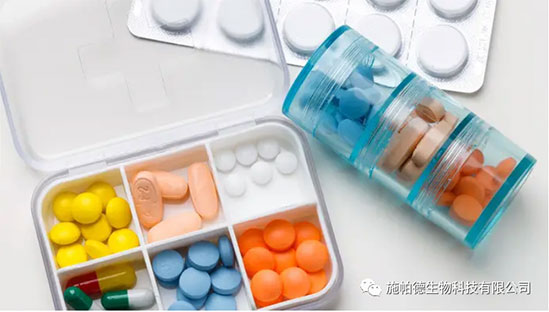
Internal medication:
Cold and flu medicine
These include cold tablets, cold flus, cold capsules and more. This is more
than usual. Everyone has a cold, so cold medicine is a must-have at home.
Fire Cleanser
Fire cleansers are also available in tablets, doses and capsules. People tend
to catch fire in their diet, causing symptoms such as sore throats and bumps. So
fire-clearing medicines are also a must.
Band-Aids
At home, it is inevitable that little bumps and bruises will occur, either
bleeding here or there, so it is important to have band-aids at home.
Bonesetter's Oil
When you work at home or whatever, you will inevitably get screwed up, so
bruise oil is also a must.
Bloating and pain medication
Many people overeat during the festive season, which inevitably leads to
stomach pain and bloating, so it is important to keep medicine for stomach pain
and bloating at home.
Headache medication
Many people also suffer from headaches and dizziness due to lack of rest or
overexertion, and headache remedies are essential at home.
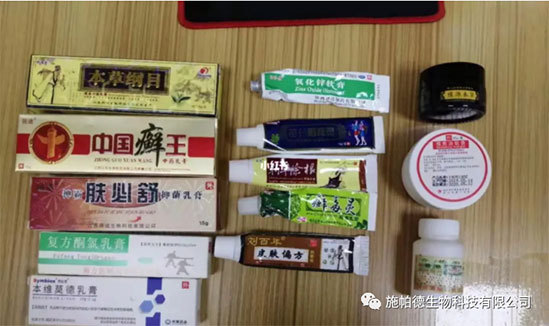
Topicals:
Red Potion--Can be used as a disinfectant for skin abrasions, cuts and small
wounds and mucous membranes, but not for eyes, mouth and large wounds to prevent
poisoning; also not to be used with iodine.
Purple Potion--An astringent for use on local unbroken skin only, but
strictly forbidden to be applied to the mouth and mucous membranes or open
wounds to avoid serious hazards.
Iodine--Can be used to treat incipient boils, skin abrasions, poisonous
insect bites and nameless swelling and poison. It should not be used if the skin
has been broken and the mucous membrane of the wound is damaged.
Alcohol--75% concentration for disinfection of the skin and body temperature table, 50% alcohol for skin rubbing, both to prevent bed sores and as a cooling measure for patients with high fever.
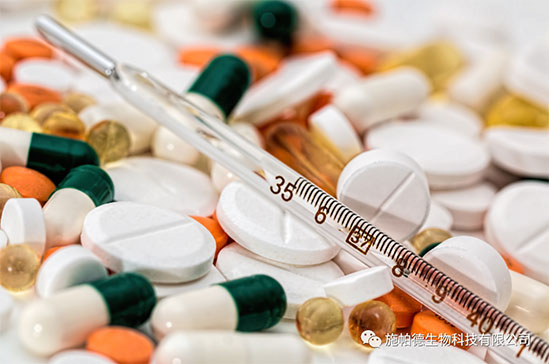
General storage conditions for pharmaceutical products require consideration
of temperature, humidity and light. Temperature: (1) room temperature/room
temperature storage, i.e. 10~30°C, generally the default room temperature does
not exceed 25°C; (2) storage in a cool place, generally means the temperature
does not exceed 20°C.
Refrigerated storage means 2°C to 8°C. Humidity: Generally speaking, an air humidity of 45~75% is appropriate in the environment where the medicine is stored. Light: If the drug instructions clearly state that the drug needs to be stored away from light, it should be stored as required. In general, for over-the-counter medicines that are frequently used at home, most oral solid medicines are most stable when kept in a dry, cool, light-protected place.
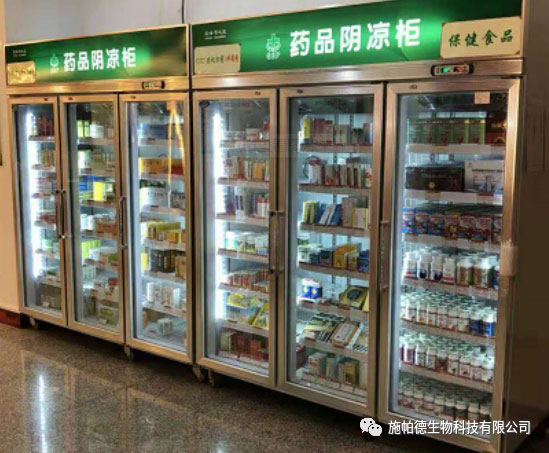
Medicines that should be kept in the refrigerator:
1、Injections:Insulin, mainly used by diabetics, should normally be kept
refrigerated and protected from heat, sunlight or freezing. If the patient is
away, it can be kept at room temperature below 25°C for approximately 6
weeks.
2、Applicator:The application usually contains volatile solvents such as
alcohol, which should be tightened after use and kept in the refrigerator for a
longer shelf life.
3、Topical medicines:Topical medicines such as eye drops, nasal drops, ear
drops, lotions and mouthwashes are best kept in the refrigerator during the
summer months.
4、Suspensions:Most antibiotic syrups are in the form of suspensions that need
to be brewed. These medicines, in powder form and in containers, have a shelf
life at room temperature of the expiry date indicated when they are not brewed.
Once water has been added, the shelf life has been reduced, usually to no more
than 15 days, and should be kept in the refrigerator.
5、Suppositories:Suppositories can be softened by high temperatures, making them inconvenient to use. In summer, they can be placed in the refrigerator or put in the fridge before use and removed after they have hardened.
In addition, all medicines have a shelf life, if the shelf life has passed, it is not recommended to use, it is recommended to check the shelf life before use, if the expiry date is recommended to destroy Oh ~
 Return